
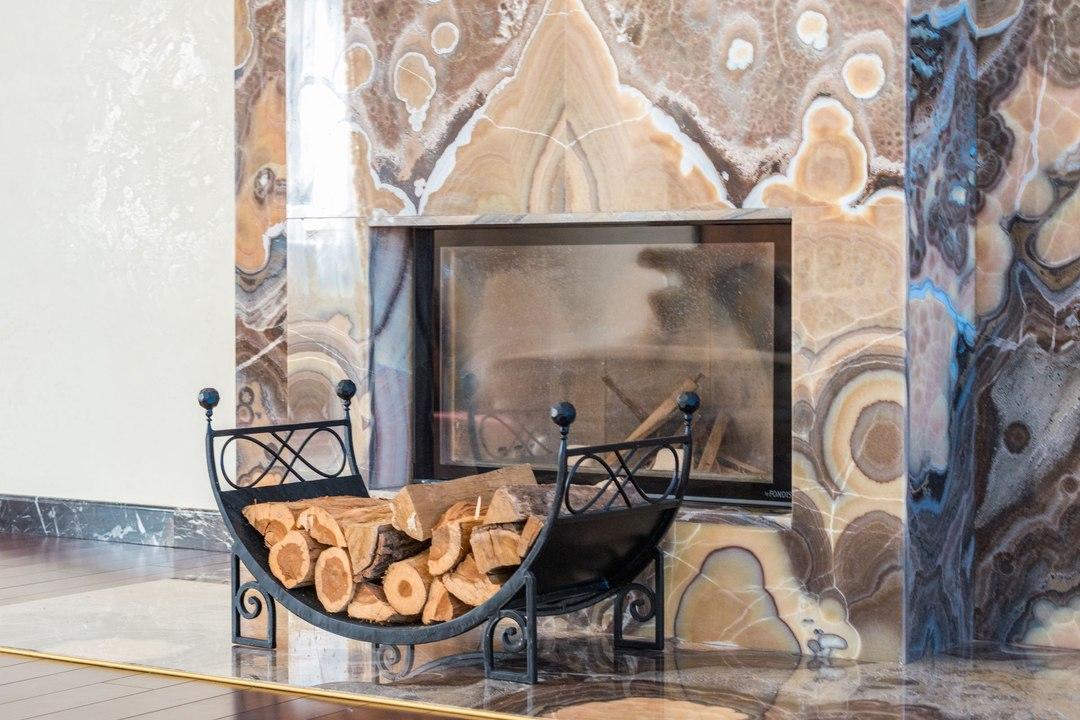
What keeps tenants safe around a fireplace, written down unit by unit
Plan a building visit
Tell us the property address, how many fireplaces it has and whether they burn gas or wood.
The safety items we look at first
A tenant has no reason to know what a cracked flue tile looks like and will not climb up to notice a cap has blown off. The manager carries that risk, so our visit starts with whatever could hurt somebody and leaves cosmetic notes for later.
Anything that should stop a fire until it is fixed goes at the top of that unit's page in plain words, so it never gets buried under a list of small items.
- Smoke or carbon monoxide that could spill indoors: a blocked flue, a nest, a collapsed cap
- Gas units: pilot, burner and the vent connection, checked for a tight path outside
- Wood units: creosote heavy enough to need a sweep before the next fire
- Space between the firebox opening and rugs, furniture or trim
- Whether a smoke alarm and a carbon monoxide alarm are present near the fireplace
What the manager's file holds
You receive one document for the property. Every unit gets its own line: unit number, fuel, what we checked, what we found and what we recommend, with photos. A summary page up front lists each unit that needs work, so the board or owner sees the whole building on one sheet.
File it with your property records. When a tenant asks whether the fireplace is safe to use, or an insurer asks what has been done, the answer is already written down with a date on it.
Getting into the units
Tenants are owed written notice before anyone enters, and you know your own leases and notice practice better than we do. We give you a visit window; you send the notices and arrange keys or a building contact.
If a tenant is out and no key turns up, that unit is marked not checked rather than guessed at, and we book a return trip for the units we missed.
Priced by the fireplace
The Level 1 total follows the number of fireplaces on the property, gas and wood alike. Sweeps and camera inspections are added only for units that need one.
- Safety check, each fireplace
- $53
- Camera inspection where a flue looks wrong
- $380
- Sweep for a wood unit with heavy buildup
- from $405
Repairs found in a unit go into the file with a figure from this list or a note that they get a written quote.
Managers and boards ask
How often should rental fireplaces be checked?
Yearly is the usual rhythm under NFPA 211, plus a look after anything that could have harmed a flue, such as a strong quake or a chimney fire in that unit.
Do gas fireplaces need the check as well?
Yes. Gas leaves less soot, but its vent can still come loose, rust through or clog, and a blocked gas vent sends exhaust into the room without the smoke that would warn a tenant.
Can the tenant be home during the visit?
Yes, and it often helps. Tenants tell us what they have noticed, such as a smell, a pilot that keeps going out or a draft, and we add it to their unit's line.
What happens if a unit is unsafe?
We mark it at the top of the file and tell the manager before we leave the property, so the tenant can be told not to use it until the repair is booked.
Does the HOA board or the owner get the file?
Whoever books and pays receives it. We copy the board, the owner or the insurer when you ask.
Book one visit for the whole property
Send the address, the number of fireplaces and the fuel each one burns. We reply with a visit window and a price.
Call (323) 524-3553